
AN appeal hearing which environment campaigners hoped would mark the ‘endgame’ for one of the longest-running planning wrangles has been cut short.
Now the saga of how water drains into a wildlife haven alongside a huge building site at Newton Abbot will play out over a full three-day planning inquiry in April instead.
The change of course came after planning inspector Tom Bristow decided the two sides in the Wolborough Fen issue were too far apart to settle without a full-scale inquiry.
He also expressed concern that Teignbridge Council had chosen to go into the hearing with no formal legal representation.



Developer Vistry Homes was represented at the online hearing by high-profile King’s Counsel Lord Charles Banner, whose previous cases include the proposed third runway at Heathrow and the huge new Chinese Embassy planned in London.
He has also been tasked by Prime Minister Keir Starmer with drawing up a new planning bill which critics say would curb the powers of environmental groups.
All parties agreed an inquiry was the right way to proceed and Mr Bristow said it should happen as soon as possible.
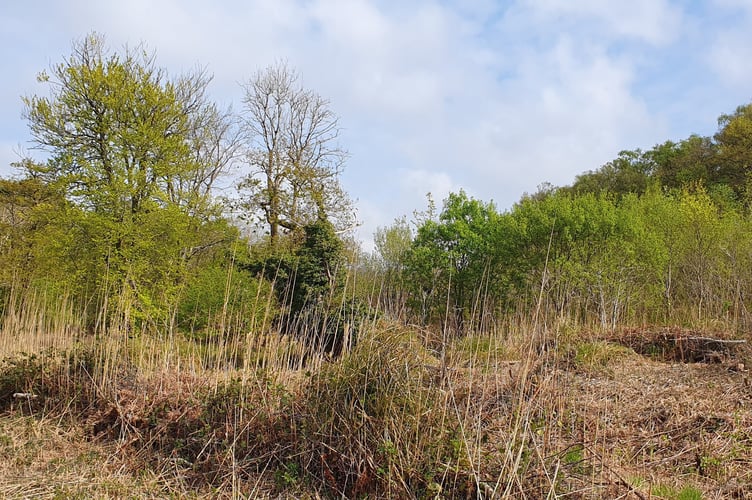
Wolborough Fen is one of the longest running and most controversial planning issues in Devon, with a dispute over how water finds its way into the fen, which is an official Site of Special Scientific Interest and home to species which are found nowhere else in Devon.
Vistry is currently building a phase of what will be 1,200 homes on green fields on the outskirts of Newton Abbot.
It says the fen is in safe hands, and its work is outside the catchment area for water flowing into the fen.
Campaigners disagree, and fear the fen will be contaminated, meaning a priceless wildlife haven will be lost forever.
Last summer Teignbridge Council stepped in and halted work on the site, saying Vistry had overstepped the mark. Work has since re-started.
Mr Bristow told the hearing: ‘I have rarely encountered as wide a gulf between the main parties as I have here.
‘I do not think I can comfortably achieve the objectives of fairness, openness and impartiality, given the complexity of the evidence and the gulf in the positions.’
Comments
This article has no comments yet. Be the first to leave a comment.