
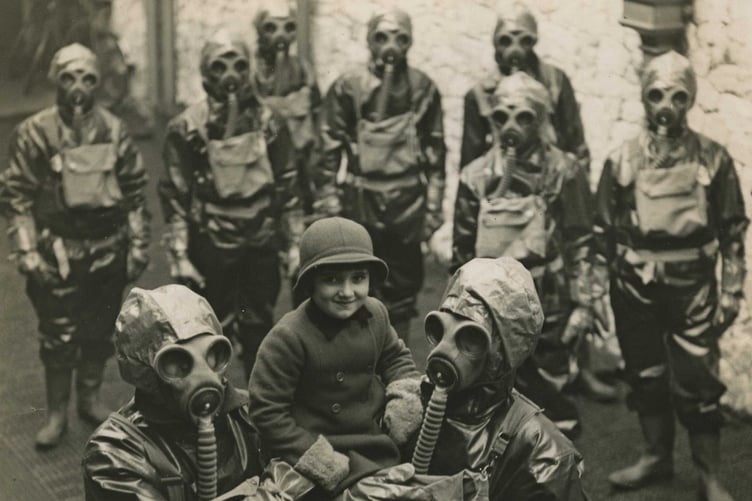
Everyone expects museums to be quiet, safe places. But behind the display cases, hidden among historical collections, are objects that can pose very real hazards to the team caring for them.
Weapons from the First and Second World Wars, poisonous vintage green-pigmented books and toxic mercury can all find their way into museum collections. These objects are vital pieces of our shared heritage—but they also demand specialist handling, storage and risk management.
A new home for Newton Abbot's collection
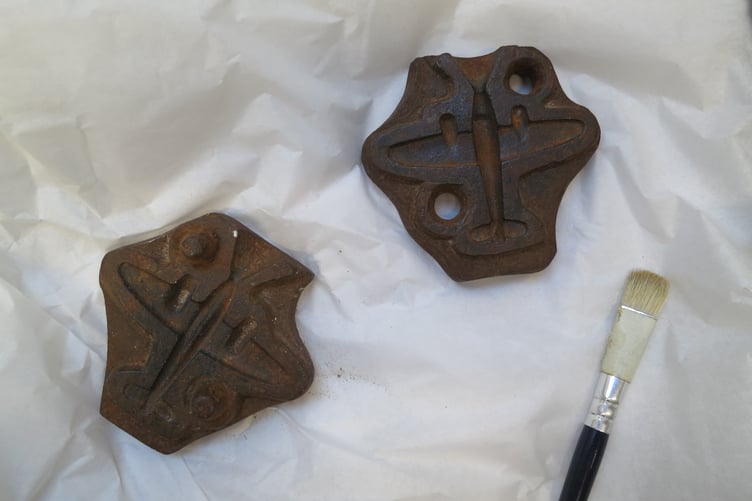
Newton Abbot Museum is currently building a brand-new heritage store as part of a £1.2 million project to create a fully accessible, purpose-built and environmentally stable home for the town’s history.
Joanna Eccles, Curator, Newton Abbot Museum said “Behind the scenes, staff have been preparing items for the move by assessing, packing, and carefully documenting thousands of objects. Along the way, they have uncovered amazing artifacts, rediscovered stories that have been tucked away for years and added a few unexpected entries to the hazards log.”
Historic drugs: a surprising discovery
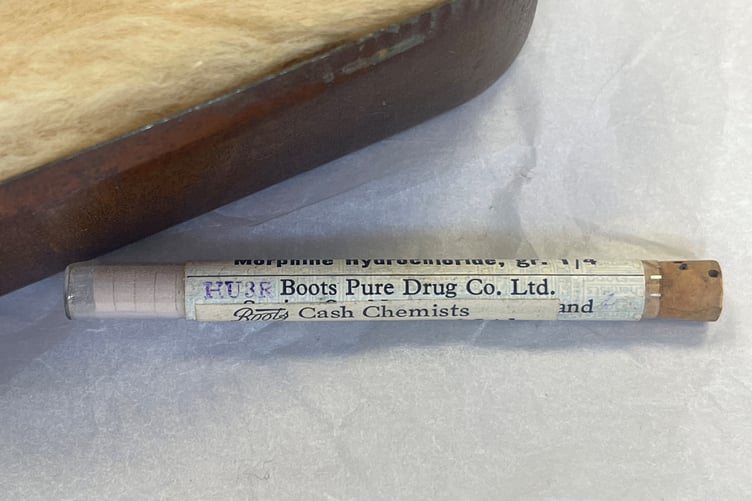
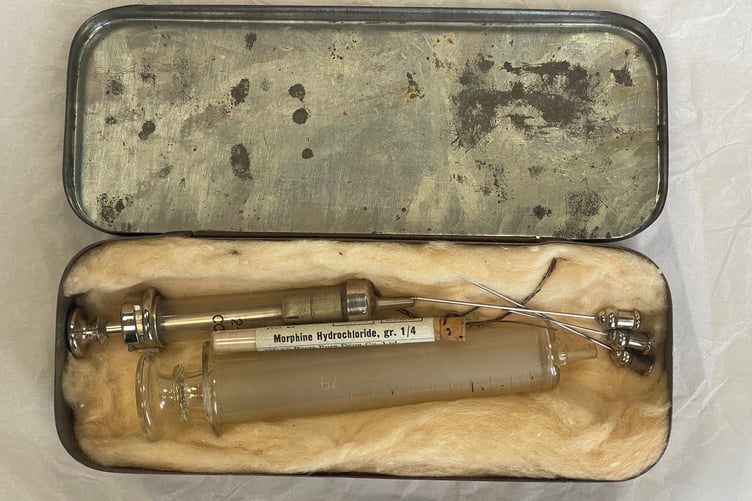
Museums must comply with strict regulations when caring for controlled substances, even when those substances are over a century old. Recently, staff made a particularly surprising discovery: a vial containing historic morphine tablets from Boots the Chemist. As the museum does not hold the necessary licence to possess controlled drugs, the tablets are being handed over to the police.
“Morphine and opium were common ingredients in nineteenth-century pharmaceuticals. " Joanna Eccles, continues. “Morphine was widely used as a painkiller and could be obtained from chemists without a prescription until the 1920s. The now-notorious drug heroin was also once marketed as a cough remedy, including for children.”



Wartime Artifacts with Hidden Risks
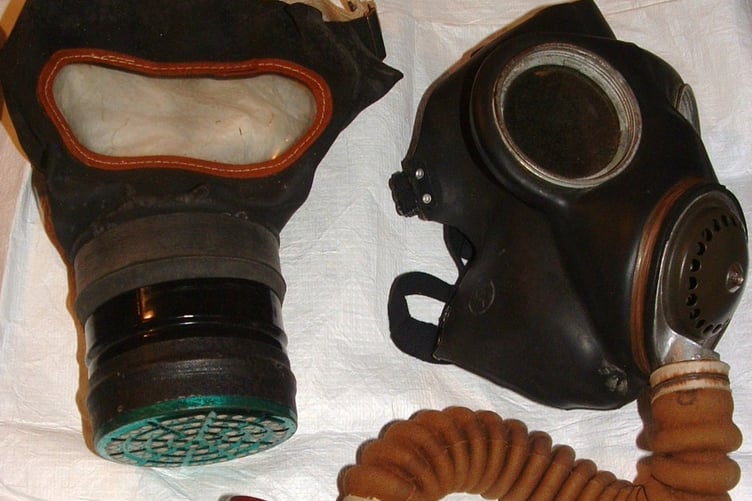
Gas masks are familiar reminders of the Second World War, when millions were issued to military personnel and civilians in preparation for the possibility of chemical warfare. However, many historic gas mask filters contain asbestos.
For museum staff, handling an object like this isn't simply a matter of putting on gloves and placing it on a shelf. Materials and conditions must be meticulously assessed so hazardous items can be safely stabilized and documented for future generations.
Uncovering the unknown
The challenge for museums curators is that is that risks aren't always obvious to the naked eye. Victorian books and wallpapers containing bright green pigments may contain arsenic compounds, while mould can pose risks to both people and collections. Even materials such as early plastics and Bakelite can contain hazardous substances.
Museum collections are full of fascinating stories. Sometimes, however, they come with a warning label.
While staff continue their work behind the scenes to preserve these historic treasures for the new store, visitors can explore plenty of carefully curated local history. Admission is free and visitors can also discover our wider programme that includes Toddler Tuesdays, St Leonard’s Tower open days and family trails.
For more information, visit museum-newtonabbot.org.uk, call 01626 201121 or email [email protected].
Comments
This article has no comments yet. Be the first to leave a comment.