
Artificial intelligence may live in the cloud, but the infrastructure needed to keep it running has to go somewhere more down-to-earth - in this case, that somewhere is a sizeable stretch of farmland near Great Torrington in North Devon.
Plans by Xlinks for a vast AI data centre and battery storage complex have prompted growing opposition, alongside wider questions about the environmental cost of the technology boom, the role of local authorities and whether communities have a meaningful say in developments of this scale.
The proposal comprises a 1.5-gigawatt data centre and 1.8-gigawatt battery energy storage system (BESS), covering around 850 acres – equivalent to 482 football pitches - and some buildings could reach 40 metres in height.
Xlinks estimates the project would cost between £12.2bn and £13.8bn, create thousands of construction jobs and provide hundreds of permanent roles. But for a rural community, it is hardly a modest addition to the landscape.
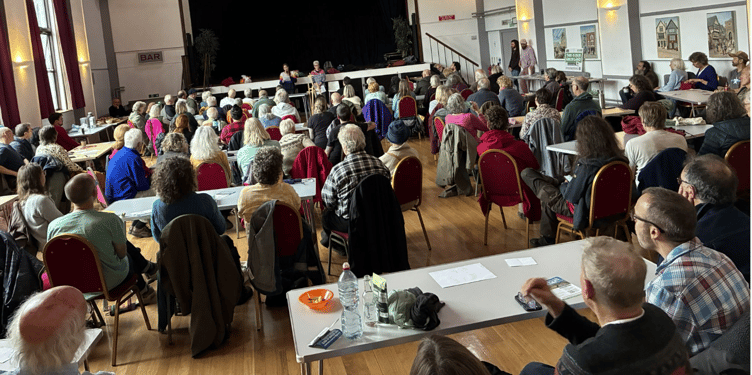
The debate has now travelled beyond Torridge. More than 200 people attended two public events in Totnes during October, organised by Assemble Totnes, to explore artificial intelligence and the implications of developments such as the proposed Great Torrington campus.
A public talk brought together six expert speakers, while a Community Assembly on October 18 gave participants the opportunity to discuss the issues in facilitated groups.
Recommendations included pausing new AI and data centre developments until their wider implications are understood, holding a full public discussion about AI's benefits and risks, and requiring data centres to be self-sufficient in water and power before receiving planning permission.
The findings will feed into the world's first Citizens' Assembly on AI, taking place in Manchester from November 27 to 29.
In Great Torrington, opposition to the proposals has also grown, with residents repeatedly protesting against the development.
Among those speaking out has been nine-year-old Demelza May, who lives on a farm near the proposed site and addressed Torridge District Council's full council meeting on October 26.





She told councillors she feared the development would change her home forever, saying: "I want my future to look green and beautiful. I want to be able to see dark skies and all the stars. I want there to be only birds humming and singing and trees rustling."
Hoping to become a farmer and continue her family's business, Demelza also questioned who would really benefit from the project.
Her speech was applauded, with council chair Doug Bushby congratulating her. The council later praised her engagement with democracy, but when asked how residents' concerns would be weighed against the promised economic benefits, pointed to the formal planning process and the opportunity to submit objections or supportive comments.
Torridge District Council's early dealings with Xlinks have also come under scrutiny, following Freedom of Information disclosures.
The council confirmed an officer sent the company a letter on May 29, 2025, supporting an Expression of Interest to establish an AI Growth Zone in Torridge. This letter was authorised by council leader Cllr Ken James and Cllr Bob Hicks, the elected member for Economy and Estates.
In a statement, the council said the letter was intended to “explore opportunities” for higher-skilled employment and address social mobility, rather than endorse a specific data centre or location. The original application was unsuccessful and the council maintains the letter is no longer active.
Cllr James added the letter was intended to "leave the door open for opportunity" and allow further discussions about high-skilled, highly paid employment if a subsequent planning application was approved.
However, its wording has prompted criticism from Green councillor Huw Thomas, who is seeking its formal withdrawal.
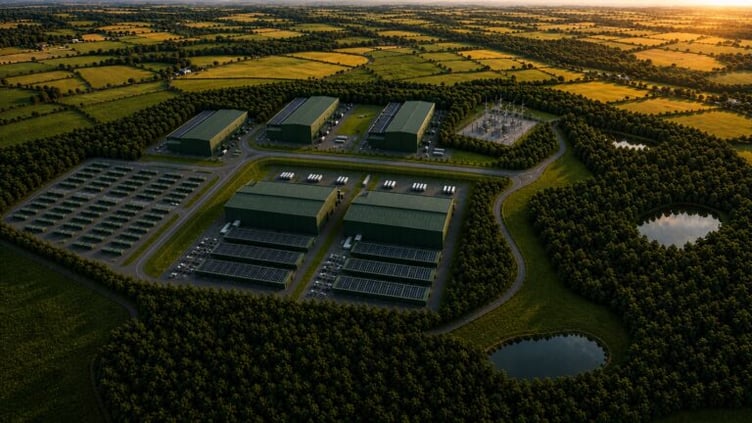
The Devon Data Centre proposed by Xlinks.
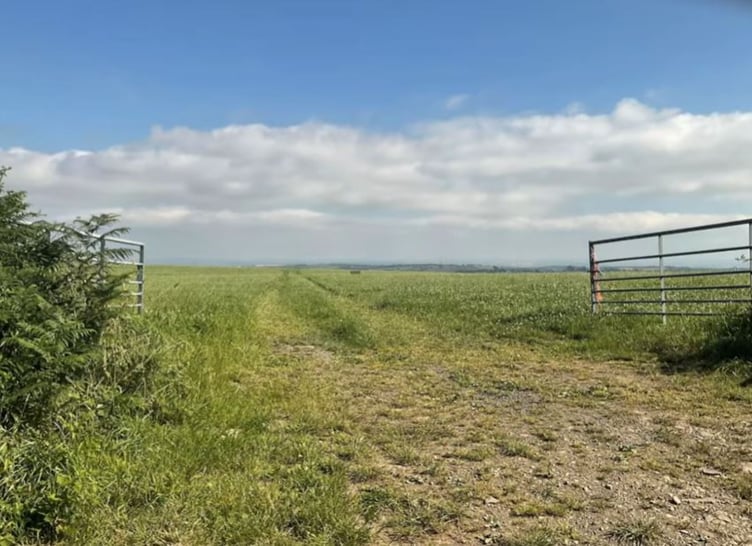
View towards the site proposed for BESS development near Alverdiscott.
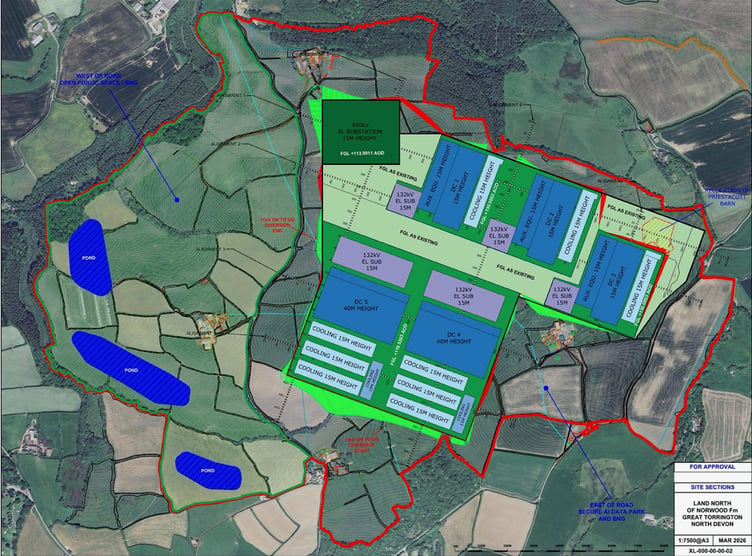
The data centre site plan for Great Torrington contained within Freedom of Information documents received by the Devon Data Centre & BESS Action Group.
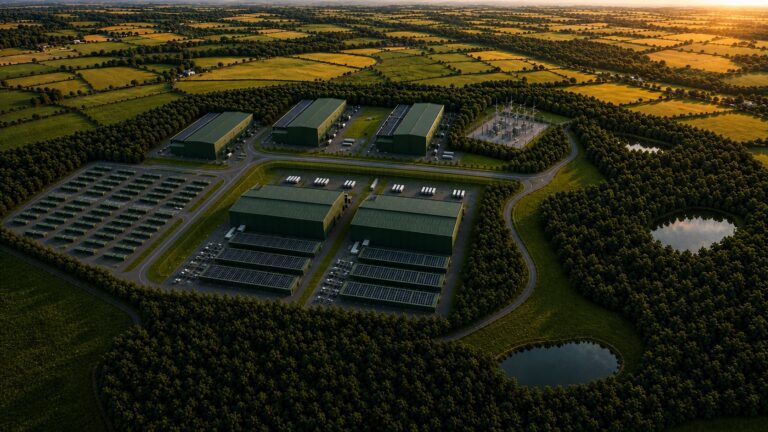
The Devon Data Centre proposed by Xlinks. Xlinks
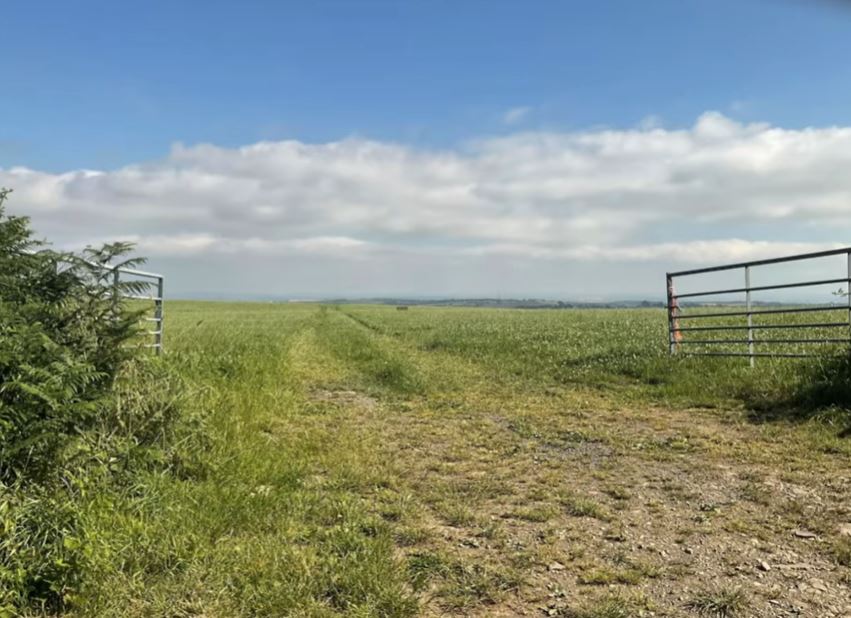
View towards the site proposed for BESS development near Alverdiscott. Torridge District Council
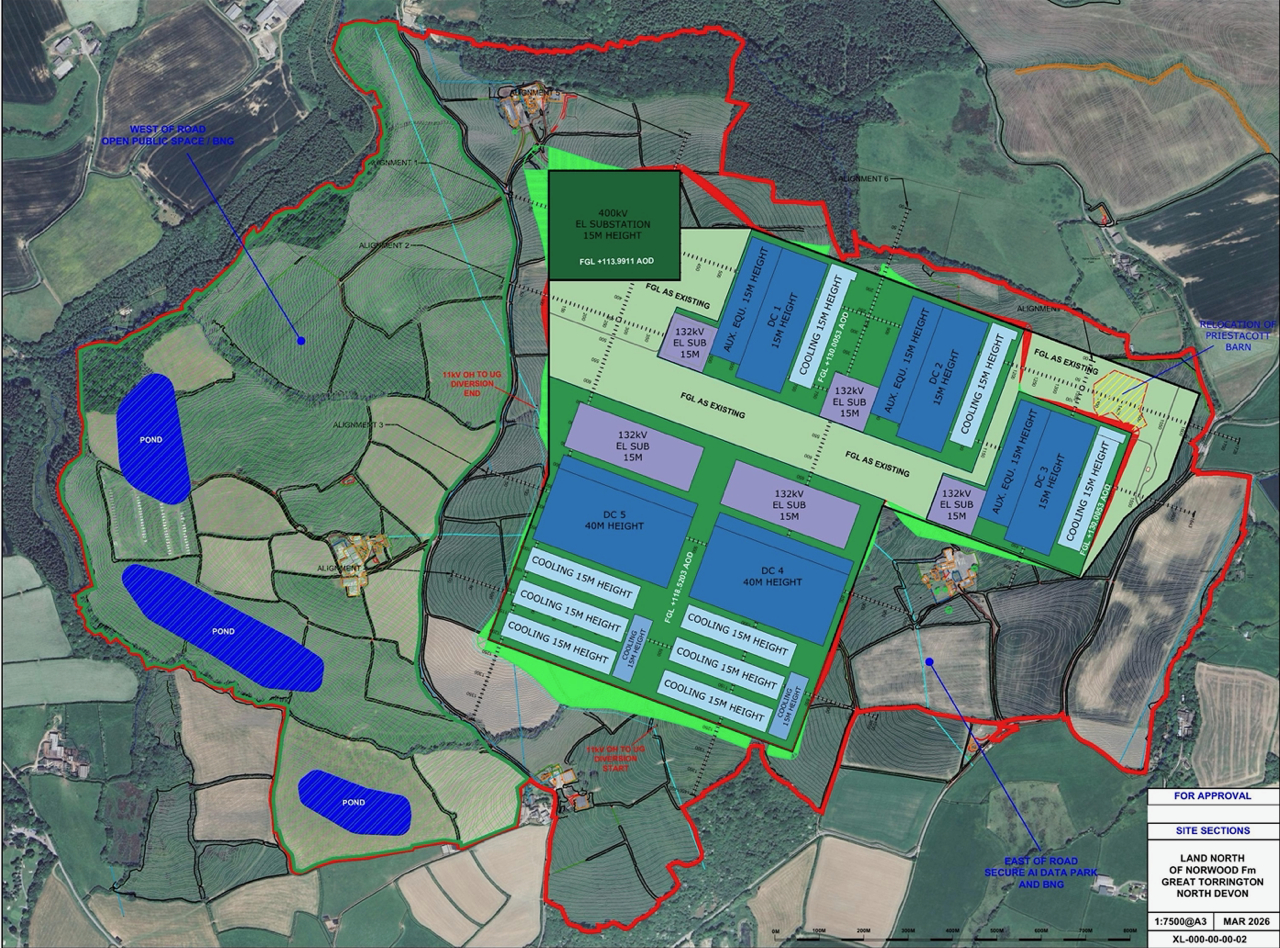
The data centre site plan for Great Torrington contained within Freedom of Information documents received by the Devon Data Centre & BESS Action Group. Xlinks
The letter states councillors had been briefed on the proposals and were "initially supportive" of the employment opportunities, adding that the planning team was "determined to work proactively and collaboratively" as the process moved forward.
As reported by Local Democracy Reporter Alison Stephenson, Cllr Thomas questioned whether this went beyond expressing interest in potential jobs, given the development's possible consequences for the environment, roads, health and local economy.
Torridge confirmed Xlinks held two applicant-led briefings for elected councillors, in May 2025 and June 2026. The latter took place a day before the developer's first public meeting, but the council says, to the best of its knowledge, no planning committee members have met or communicated directly with Xlinks.
Cllr Thomas intends to bring a motion seeking withdrawal of the letter.
There is, of course, another side to the argument.
Xlinks says the development would create between 2,000 and 3,500 construction jobs and support 600 to 1,200 permanent operational roles. It has also promised biodiversity improvements and opportunities for local suppliers.
The company says its closed-loop cooling system would not extract water from local rivers, streams or boreholes, while the battery facility would help balance electricity supply and demand.
For Devon, where access to well-paid employment and investment are important considerations, these are not insignificant promises. Thousands of construction jobs, hundreds of long-term roles and business for local suppliers could represent a substantial economic opportunity for Torridge and the wider Devon community.
Data centres are also an increasingly important part of the UK's digital infrastructure, and demand for the facilities powering AI is unlikely to disappear simply because communities do not want them on their doorstep.
But that raises a difficult question: is backing a project of this scale genuinely in the wider economic interest, or does the pursuit of investment risk asking those living closest to shoulder too much of the cost? And concerns about landscape, wildlife, noise, water, farmland and battery safety deserve proper consideration, not simply an assurance that jobs will be created.
In Totnes, some speakers questioned whether the proposed developments were genuinely responding to demand for AI infrastructure, or whether they were speculative investments driven by the potential to increase land and share values.
Speaker Roger Hallam, co-founder of Extinction Rebellion, Just Stop Oil, Insulate Britain and 4 Billion Dead, argued that the debate went far beyond individual data centre proposals, criticising the political and economic structures driving technological development.
"AI is not about ‘AI’ - but in fact the catastrophic moral corruption of elites who see a 10 per cent chance of human extinction as just another news item,” he said. “The response cannot only be another campaign, but a political revolution to replace the psychopaths with citizens assemblies of ordinary people, who decide whether we want to play games with endless mass death.”
At the time of publication, Xlinks had not submitted a second application. Torridge District Council says any proposals will be subject to the appropriate planning and environmental assessments, with statutory consultations giving residents an opportunity to comment.
Ultimately, the questions raised in Totnes extend beyond one development. Who should have the final say on projects of this scale? How should the costs and benefits of technological progress be shared? And what kind of future do communities actually want to make room for?
The proposed Great Torrington site may be in North Devon, but the questions it raises are ones the whole county should be asking.
Comments
We've recently changed our login process. If you have an account for commenting, you will need to re-register on the login window.
This article has no comments yet. Be the first to leave a comment.