


NEWTON Abbot MP Martin Wrigley is claiming a ‘big win’ after the Metropolitan Police revealed fresh plans to tackle an epidemic of mobile phone theft.
The Met is calling on tech firms to make stolen phones harder to use – preventing criminals from profiting.
Mr Martin Wrigley has been calling for action on the issue for a year.
He has criticised phone companies for not introducing measures which would stop stolen phones being brought back into use once they have been shipped overseas.



Police have now begun sharing data with Apple so they can create an overview of what happens to stolen handsets.
Met Police Commissioner Mark Rowley told the BBC: ‘If stolen phones cannot be reactivated, their value collapses, and so does the incentive to steal them.’
He said illicit software allowed thieves to ‘factory reset’ and sell them on.
Now Apple – maker of the iPhone – thinks it has a solution, meaning most phones stolen in London in recent weeks have not been reset.
If an iPhone user is not identified as being at a familiar location such as home or work, a setting now delays the ability for thieves to change critical security information, giving the owner more time to protect their missing phones remotely.
Mr Wrigley, a former engineer in the high-tech industry, said he had written a ‘lost and stolen’ system for Orange 30 years ago which had an international blacklist.
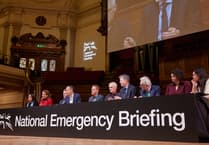
‘What the hell’s gone wrong?' he asked police and phone industry representatives during a House of Commons committee session.
He criticised phone manufacturers for continuing to make profits from phone sales and systems after handsets had been stolen, which would not happen if they were removed from the system.
He told them: ‘You could, tomorrow, stop phones on the blacklist from connecting back to your services if you so wished, and you won’t do it.
‘You owe it to the customers around the world to implement this immediately. No ifs, no buts, just do it.’
Comments
This article has no comments yet. Be the first to leave a comment.